

Blog
History of Pure Ceylon Tea to the drive

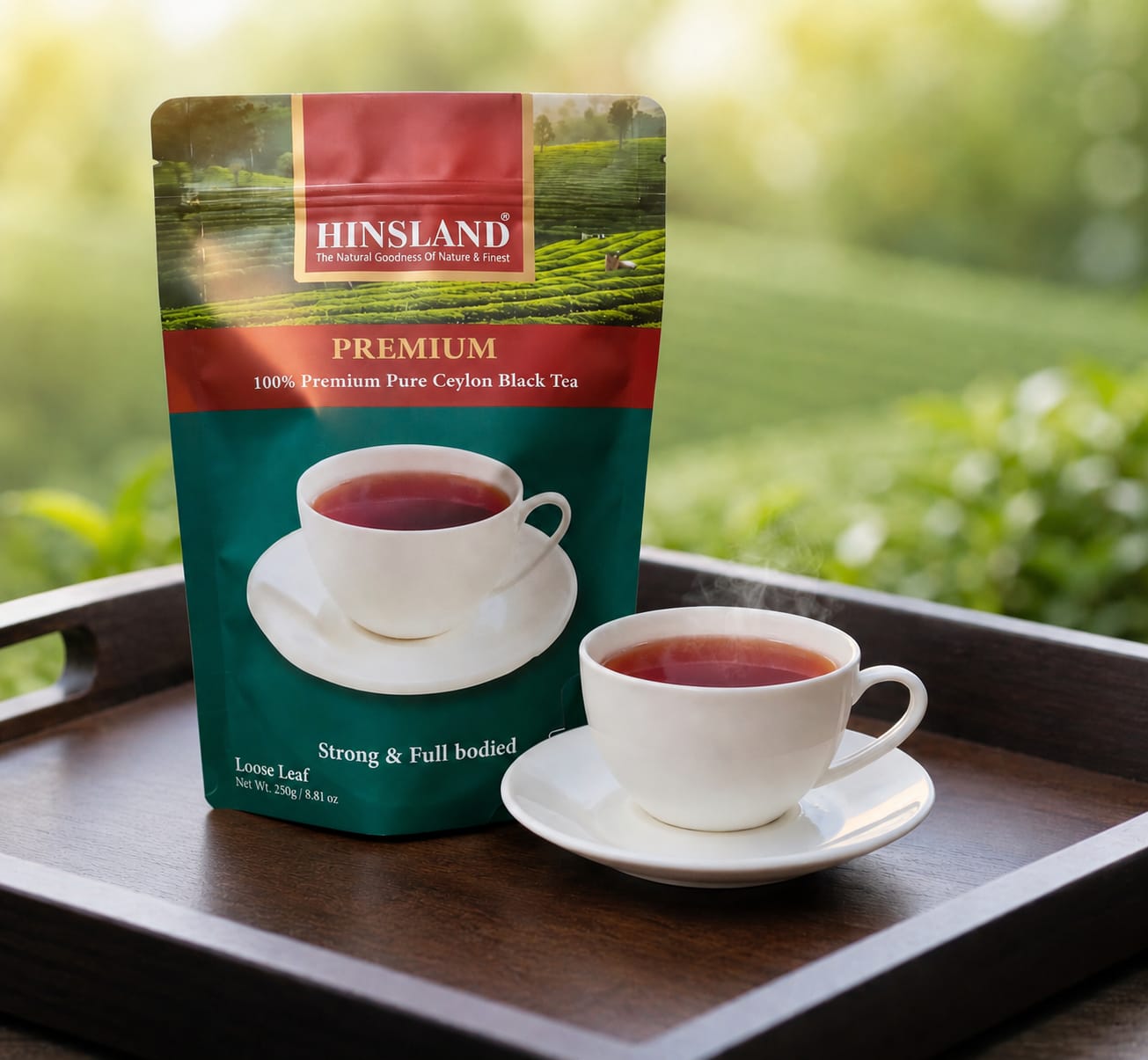
The History of Pure Ceylon Tea: From Humble Beginnings to Global Prestige
Few beverages in the world carry a story as rich and captivating as Pure Ceylon Tea. Grown in the lush highlands of Sri Lanka, this world-renowned tea is celebrated for its exceptional quality, distinctive flavor, and centuries of craftsmanship. Every cup represents more than just a refreshing drink—it tells the remarkable story of a nation, its people, and a tradition that has become a symbol of excellence worldwide.
The Origins of Tea in Sri Lanka
Before tea became Sri Lanka’s most famous export, the island was known for its thriving coffee plantations during the 19th century. Coffee cultivation flourished under British colonial rule and became the backbone of the country’s economy.
However, disaster struck in the late 1860s when a fungal disease known as Coffee Leaf Rust (Hemileia vastatrix) devastated coffee plantations across the island. Thousands of acres of coffee crops were destroyed, forcing plantation owners to search for an alternative crop that could survive the island’s unique climate.
That alternative would forever change Sri Lanka’s future.
James Taylor: The Father of Ceylon Tea
The story of Ceylon Tea begins with James Taylor, a young Scottish planter who arrived in Ceylon in 1852.
In 1867, Taylor planted the first commercial tea estate on just 19 acres at Loolecondera Estate near Kandy. Through dedication, innovation, and experimentation, he developed cultivation methods that would lay the foundation for Sri Lanka’s tea industry.
Taylor personally supervised every stage of production—from planting and harvesting to rolling, drying, and packaging the tea leaves. His passion and commitment quickly proved that tea could thrive in the island’s fertile soil and cool mountain climate.
Within a few decades, tea plantations spread rapidly across Sri Lanka.
The Rise of an International Tea Empire
By the late 19th century, tea had replaced coffee as Sri Lanka’s primary agricultural export.
The country’s diverse geography allowed tea to be cultivated across multiple elevations, each producing unique flavor characteristics.
These regions include:
- Nuwara Eliya
- Uva
- Dimbula
- Kandy
- Ruhuna
- Sabaragamuwa
- Uda Pussellawa
Each region offers distinct growing conditions, resulting in teas with their own aroma, strength, brightness, and complexity.
This incredible diversity helped establish Ceylon Tea as one of the world’s most respected tea origins.
Why Sri Lanka Produces Exceptional Tea
Sri Lanka enjoys a rare combination of natural advantages that make it one of the finest tea-growing regions in the world.
These include:
- High-altitude mountain ranges
- Rich fertile soils
- Tropical sunshine
- Frequent rainfall
- Cool misty mornings
- Fresh mountain air
These environmental conditions slow the growth of tea plants, allowing leaves to develop richer flavors, complex aromas, and higher concentrations of natural antioxidants.
The result is tea with exceptional brightness, freshness, and character.
The Art Behind Every Leaf
Producing premium Ceylon Tea is both a science and an art.
The process begins with skilled tea pluckers carefully selecting only the two youngest leaves and a bud from every tea plant. This delicate hand-plucking technique ensures that only the finest leaves enter production.
The leaves then pass through several carefully controlled stages:
- Withering
- Rolling
- Oxidation
- Drying
- Grading
- Quality inspection
- Packaging
Every step influences the final flavor profile, aroma, color, and strength of the tea.
Generations of expertise ensure that each batch maintains the world-class standards for which Ceylon Tea is famous.
The Lion Logo: A Symbol of Authenticity
Not every tea labeled “Ceylon Tea” is truly authentic.
To protect Sri Lanka’s reputation, the Lion Logo was introduced by the Sri Lanka Tea Board.
This internationally recognized mark guarantees that:
- The tea is grown entirely in Sri Lanka.
- It is manufactured and packed in Sri Lanka.
- It meets strict quality standards.
- It contains 100% Pure Ceylon Tea with no blending from other origins.
When consumers see the Lion Logo, they can trust they are enjoying genuine Pure Ceylon Tea.
Ceylon Tea Around the World
Today, Pure Ceylon Tea is exported to more than 140 countries and enjoyed by millions every day.
Whether served as:
- Classic black tea
- Green tea
- White tea
- Herbal blends
- Flavored infusions
- Premium loose-leaf tea
- Pyramid tea bags
Ceylon Tea continues to earn global recognition for its exceptional quality and distinctive taste.
Its reputation has made Sri Lanka one of the world’s leading tea-producing nations.
Sustainability and the Future of Ceylon Tea
Modern tea producers increasingly combine centuries-old traditions with sustainable farming practices.
Many estates focus on:
- Environmental conservation
- Responsible water management
- Biodiversity protection
- Ethical labor practices
- Reduced chemical usage
- Renewable energy initiatives
These efforts help preserve Sri Lanka’s unique ecosystems while ensuring future generations can continue producing premium tea.
Innovation in packaging, organic cultivation, and specialty tea production is also opening new opportunities in global markets.
More Than a Beverage
Pure Ceylon Tea represents far more than a daily drink.
It reflects the dedication of thousands of tea growers, pluckers, factory workers, and tea masters who have preserved a tradition spanning over 150 years.
Every cup carries the freshness of Sri Lanka’s mist-covered mountains, the craftsmanship of skilled hands, and the heritage of one of the world’s most celebrated tea-producing nations.
Whether enjoyed in the quiet of the morning, shared with friends, or served during life’s special moments, Pure Ceylon Tea continues to connect people across cultures through its timeless quality and unmistakable character.
Conclusion
From the collapse of the coffee industry to becoming one of the world’s most respected tea origins, the journey of Pure Ceylon Tea is a story of resilience, innovation, and excellence. What began with James Taylor’s small plantation in 1867 has grown into a global symbol of quality, authenticity, and tradition.
Today, every cup of Pure Ceylon Tea offers more than a delightful taste—it offers a connection to Sri Lanka’s rich heritage, breathtaking landscapes, and generations of tea-making expertise. As the industry continues to embrace sustainability and innovation, the legacy of Ceylon Tea remains stronger than ever, ensuring that its remarkable story will continue to be shared and savored around the world.
You’re now chatting with Mini. Responses may have lower quality until 6:21 PM.
 Black
Black White
White Matcha
 Green
Green Herbal
 Wellness